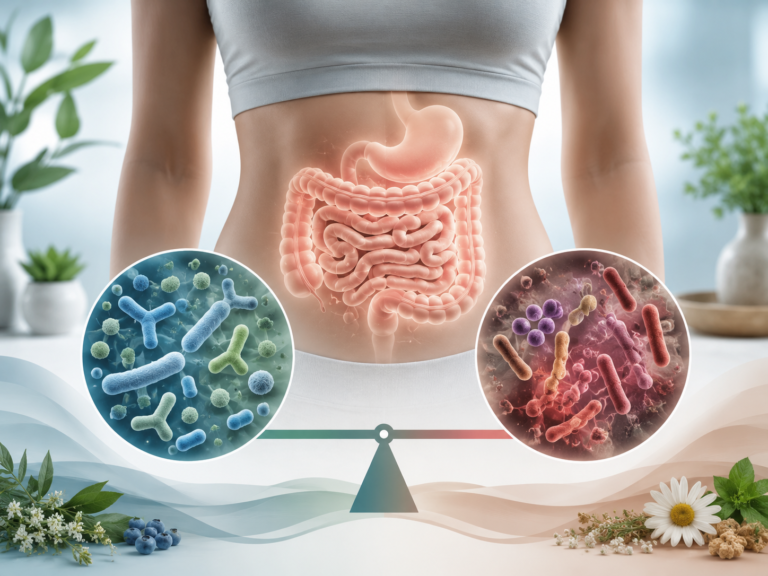
GERD (Gastroesophageal Reflux Disease)
GERD (Gastroesophageal Reflux Disease) is a chronic digestive condition in which stomach acid or bile flows back (refluxes) into the esophagus – the tube connecting the mouth to the stomach. This backflow irritates the esophageal lining, often causing a burning sensation, discomfort, and pain.
Over time, repeated exposure to acid can lead to Barrett’s esophagus, where the cells lining the esophagus change to resemble those of the intestinal lining in an attempt to adapt. This cellular change increases the risk of developing esophageal cancer if left untreated.
Common Symptons of GERD